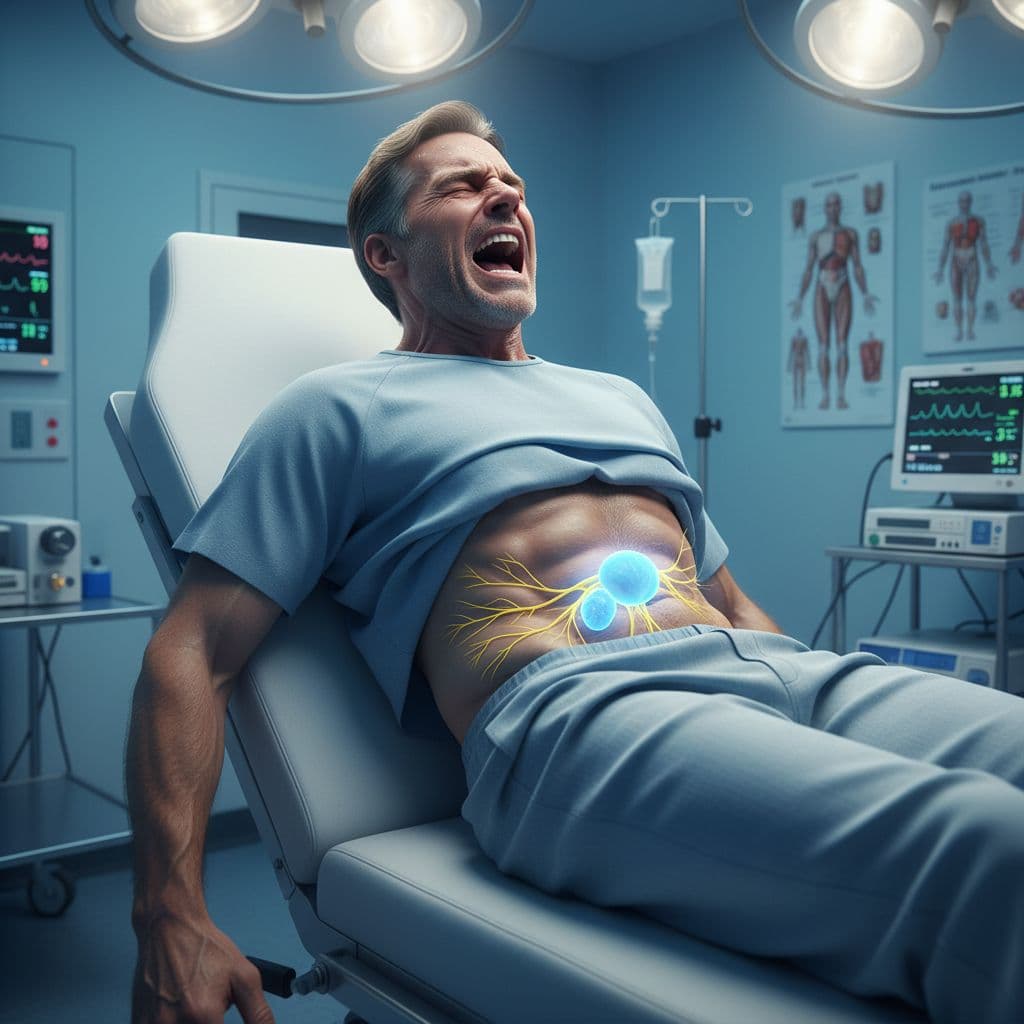
A muscle spasm can feel like a fist closing fast. Tight, crampy, sudden. It might hit your pelvic floor, hips, low back, or even run down into your legs. When you’re already dealing with appointments, treatments, and worry, that kind of body surprise can be unsettling.
If you’ve been searching for answers about prostate cancer muscle spasms, you’re not alone. Spasms can show up during prostate cancer care for plain, human reasons: stress, less movement, dehydration, nerve irritation, pelvic floor guarding (your muscles “bracing” without you meaning to), or side effects from treatment and meds.
Many home steps are safe and worth trying, especially when the spasm feels familiar and mild. Still, you deserve a clear line in the sand: if pain is new, severe, or paired with scary symptoms, don’t try to power through it. Prostate cancer muscle spasms can have more than one cause, and you should never feel bad about asking your care team what’s going on.
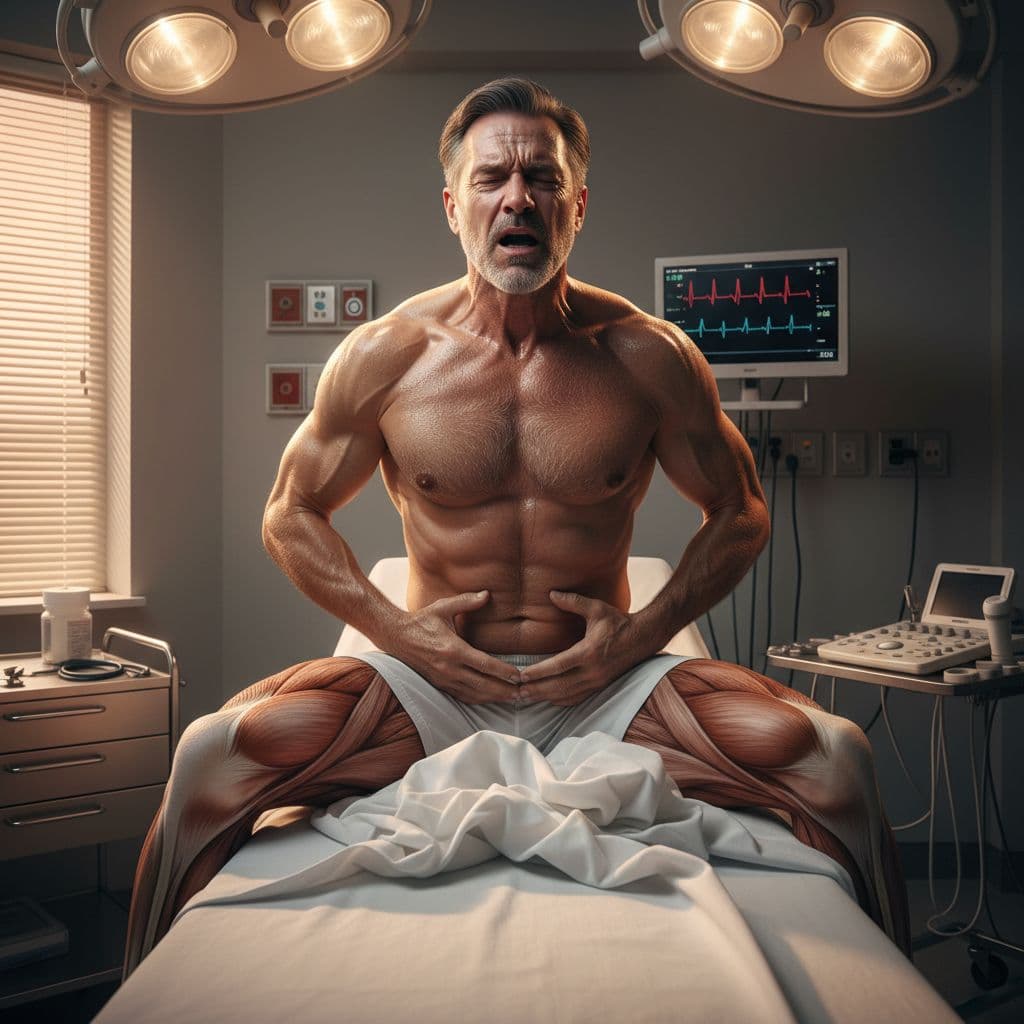
Why prostate cancer can trigger muscle spasms (and when it is urgent)
When your body is under stress, it protects you. Sometimes it protects you a little too well.
Spasms can start because a sore area makes nearby muscles tighten like a guard dog. Your posture may change after surgery, during radiation, or when you’re tired, and that can overload your hips and low back. Even small changes in how you walk, sit, or brace your abdomen can make muscles feel like they’re “on duty” all day.
Treatment can play a role too. Radiation may irritate tissues, and surgery can leave your pelvic floor confused about when to tense and when to soften. Nerves can also get irritated, which may trigger twitching or cramping.
It’s also common to have more than one reason at the same time. A long car ride plus dehydration plus anxiety can stack up quickly. If you’re dealing with prostate cancer muscle spasms, it helps to think “What’s adding fuel today?” instead of hunting for one perfect cause.
Common causes you can check at home first
You can often spot a few likely triggers by doing a quick “body inventory”:
- Dehydration: If your urine is dark yellow, you’ve had vomiting or diarrhea, or you’ve been avoiding fluids to reduce bathroom trips, cramps can show up.
- Low electrolytes: Heavy sweating, poor appetite, or certain diets can lower salts your muscles need to relax (like potassium).
- Long sitting: Recliners, car rides, and bed rest can shorten hip flexors and irritate your low back.
- Constipation and straining: This can tighten the pelvic floor and make spasms feel sharper or deeper.
- Poor sleep: Your pain threshold drops when you’re exhausted.
- Anxiety and tension: You may clench your jaw and pelvic floor without noticing.
- Cold rooms: Muscles often tighten in the cold, especially at night.
- Overdoing exercise: A “good day” can trick you into doing too much, too fast.
- Tight pelvic floor after surgery or radiation: Some people grip these muscles all day, even while resting.
Medications matter too. Opioid pain meds can cause constipation, diuretics can increase fluid loss, and some nausea medicines can affect hydration and electrolytes. If you suspect a medication link to prostate cancer muscle spasms, don’t stop anything on your own. Call your oncology or urology team and ask what’s safe to adjust.
Red flags that mean you should call your doctor today
Some symptoms should never be handled with home care alone. Call your doctor the same day if you have:
- Fever or chills
- New weakness, trouble walking, or new numbness
- Sudden, severe back pain, especially after a minor twist or lift
- Loss of bladder or bowel control
- Painful, swollen leg (especially one-sided)
- Blood in urine that is heavy, worsening, or comes with clots
- Chest pain or pressure
- Shortness of breath
- Confusion or extreme sleepiness
- Uncontrolled vomiting or you can’t keep fluids down
- Spasms or severe pain after a fall
If you have chest pain, severe shortness of breath, sudden confusion, or can’t control your bladder or bowels, go to urgent care or emergency services right away. If you’re unsure, call. You’re not being dramatic, you’re being smart.
Gentle stretches and relaxation moves you can do safely for prostate cancer muscle spasms
When a muscle is spasming, forcing it rarely works. A spasm is like a car alarm, it’s loud because something feels off. Your goal is to lower the alarm, not argue with it.
Think gentle, pain-free movement. Small range. Slow breathing. Short sessions, then reassess. If you feel sharp pain, dizziness, new swelling, or increased bleeding, stop and contact your care team.
If you’re healing after surgery, keep movements smooth and avoid straining your abdomen. During radiation, your tissues may be more sensitive, so go lighter than you think you need. If you have bone metastasis risk or known bone spread, skip deep twisting, high-impact moves, and heavy loading unless your clinician has cleared it. These guardrails help you calm prostate cancer muscle spasms without creating a new problem.
A 10 minute calming routine for pelvic, hip, and low back spasms
You can do this on a mat, carpet, or bed. Use pillows as needed.
- Diaphragmatic breathing (1 to 2 minutes)
- Place one hand on your belly and one on your chest. Breathe in through your nose, let your belly rise. Breathe out slowly, like you’re fogging a mirror. Aim for a longer exhale.
- Pelvic floor drop (30 to 60 seconds)
- Instead of Kegels, think “soften” and “let go.” On your exhale, imagine the pelvic floor melting downward. No pushing, no bearing down.
- Knee-to-chest, one leg at a time (1 to 2 minutes)
- Keep the other foot on the bed or floor. Hug one knee gently, then switch. If your hip pinches, back off.
- Figure-4 stretch (1 to 2 minutes)
- Cross ankle over the opposite knee. Stay there, or pull the uncrossed thigh toward you. If that’s too much, do it sitting on the bed and leaning forward slightly.
- Child’s pose alternative or supported forward lean (1 minute)
- If kneeling is uncomfortable, sit in a chair and fold forward with forearms on your thighs, head supported. If you do a wide-knee child’s pose, use pillows under your torso.
- Gentle hip flexor stretch with padding (1 minute each side)
- Half-kneel on a cushion, or do a standing version with one foot back. Keep your ribs down and tuck your pelvis slightly, like you’re trying to lengthen the front of the hip.
- Short walk (1 to 2 minutes)
- Walk around the room or hallway at an easy pace, then stop while you still feel okay.
Say this to yourself before you start: “I will go slow and stop if my pain spikes.”
If you are in bed or sitting most of the day, try these micro-stretches
Long rest periods can make your body feel like a coiled spring. The fix is not a hard workout, it’s frequent, gentle “movement snacks.” Set a timer for every 1 to 2 hours, especially during long TV sessions or car rides.
Try a few of these, staying below the point of pain:
- Ankle pumps: Point and flex your feet 10 to 20 times to wake up calves and improve circulation.
- Heel slides: Lying down, slide one heel toward your butt, then out again.
- Seated hamstring stretch with a towel: Loop a towel behind your foot and straighten your knee a little, keep your back tall.
- Gentle trunk turns: Sit tall, arms crossed over your chest, rotate slightly right and left (no deep twist).
- Shoulder rolls: Slow circles, then a gentle chest-opening stretch.
- Calf stretch at a wall: One foot back, heel down, bend the front knee.
- Standing supported hip abduction: Hold a counter, move one leg out to the side a few inches, then switch.
These tiny movements can reduce stiffness that feeds prostate cancer muscle spasms later in the day. Repeat your own simple promise: “I can do one small stretch each hour.”
Safe home comfort tips that calm spasms without making things worse
Comfort is not a luxury when your muscles won’t settle. It’s part of symptom care.
At home, focus on three things: calming the area (heat or cold), supporting hydration and minerals, and lowering the tension that keeps muscles braced. The right mix often changes week to week, especially during treatment.
If you’re considering magnesium or electrolyte drinks, it’s wise to check with your clinician first. Supplements can interact with other meds, and kidney function matters. If you have diarrhea from treatment, your needs also change quickly. The goal is steady support, not big swings.
If spasms seem centered in the pelvic floor, ask about pelvic floor physical therapy. A trained therapist can teach you how to relax and coordinate those muscles, which is often the missing piece for prostate cancer muscle spasms that keep returning.
Heat, cold, and simple tools that can help right now
Heat is usually best for tightness and stiffness. Cold can help if there’s a sharp flare, a “hot” feeling, or swelling after activity.
Here’s a quick way to decide:
Match your muscle feel to the right comfort tool:
- Dull ache or tight band: Heat first. 10 to 20 minutes. Perfect before gentle stretches.
- Sharp flare after activity: Cold. 10 to 15 minutes. Wrap ice; never put it straight on skin.
- Morning stiffness: Heat. 15 to 20 minutes. Follow with a short walk.
- Tender, angry spot: Cold first, heat later. Short sessions. Stop if pain grows.
A few safe options:
- Warm shower aimed at hips or low back.
- Heating pad on low, with a cloth barrier, never while sleeping.
- Rice sock (warm, not hot), placed over the tight area.
- Gentle massage using a tennis ball against a wall (avoid rolling directly on the spine).
- Supportive pillows: one between knees when side-lying, or under knees when on your back.
If you have neuropathy or reduced sensation, be extra cautious with temperature so you don’t burn or frostbite your skin. Keep it boring and gentle.
Use this simple check-in line: “I will use heat for 15 minutes, then re-check how I feel.”
Everyday habits that reduce flare-ups over the week
Spasms love patterns. If you watch closely, you may notice they hit after long sitting, late in the day, or a few hours after a certain medication.
Small habits add up:
- Steady fluids: Sip through the day instead of chugging at night. If nighttime urination is an issue, ask your clinician how to balance timing.
- Food that supports muscles: Protein at meals, plus potassium-rich foods (like bananas, oranges, potatoes, beans) if your diet allows.
- Keep alcohol low and caffeine moderate, both can affect hydration and sleep.
- Short walks: Five minutes after meals can reduce stiffness and help bowels move.
- Break up sitting: Stand for 1 to 2 minutes, do a few steps, then sit again.
- Gentle strength when cleared: Light glute and core work can improve posture and reduce overload on the low back.
- Bowel regularity: Fiber, fluids, and movement help. If you have a prescribed stool softener, use it as directed. A small footstool during toileting can reduce straining.
- Stress downshifts: Box breathing (inhale 4, hold 4, exhale 4, hold 4) or a guided audio at bedtime can reduce clenching.
Tracking helps more than you’d think. Keep a simple note in your phone: time of day, what you were doing, any new meds, and what helped. Bring that log to appointments. It gives your team something concrete to work with, especially if prostate cancer muscle spasms are interrupting sleep.
A calm plan you can return to when spasms show up
When prostate cancer muscle spasms hit, start by checking likely triggers (fluids, constipation, long sitting, cold, stress). Keep red flags in mind, and call promptly if anything feels off or intense. Use gentle stretching and breathing to lower the body’s “guard mode,” then add simple comfort tools like heat or cold in short, safe sessions.
Most of all, don’t carry this alone. Tell your oncology or urology team when spasms are new, worsening, or waking you up at night, because symptom control is part of your care. With the right plan and a little patience, relief is possible, and you can feel more at home in your body again.